A challenging seed market follows a summer of heat and drought
Supply tightens, demand accelerates, planning matters more than ever
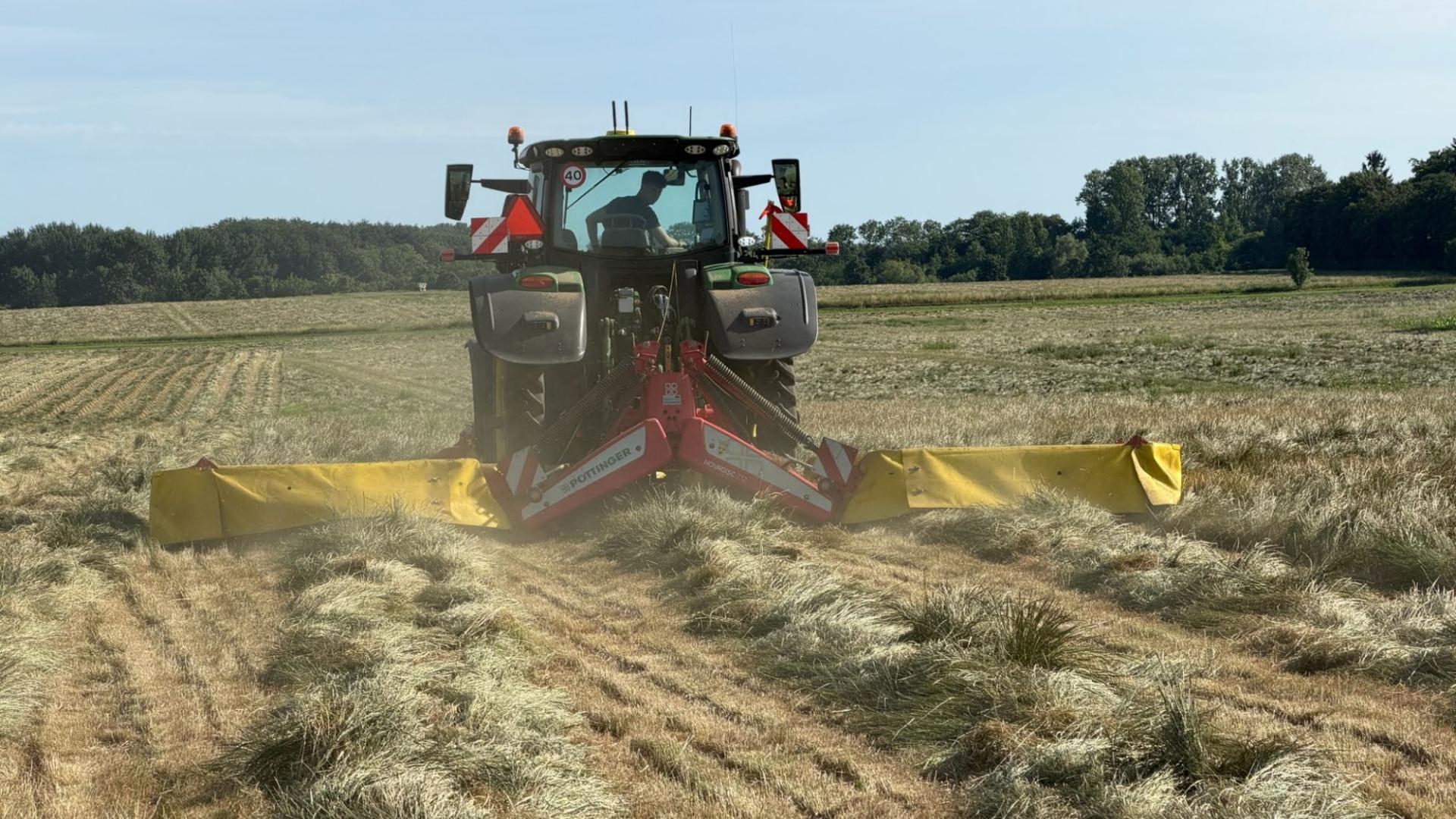
The European grass-seed market is growing ever more challenging. Strong demand, weather-related shortfalls, smaller inventories, and geopolitical uncertainty are increasing the pressure on forage and turf markets. Supply is tightening, prices are increasing, and early planning is critical to secure your supply. As always, we are working closely with our customers and partners across markets to find the best way forward and to help them navigate a fast-changing market.
Drought drives demand across Europe
Severe drought and repeated heatwaves marked the spring and summer of 2026 across much of Europe. Their effect is visible throughout the market: grasslands suffered significant damage, forage inventories are depleted, and demand for reseeding is up.
The situation will get tougher still. Following accelerated autumn trading, farmers and turf managers can expect spring 27 to be even more challenging as they continue to restore and renovate their swards.
Geopolitical pressure on supply and costs
Geopolitical developments continue to influence the global seed trade. Potential tariff changes, the war in Ukraine, developments in the Middle East, and their collective impact on freight and energy markets make for continued uncertainty.
While the long-term outlook is unpredictable, the effects on production costs, logistics, and market confidence are already here. And in a market where supply is tight, external disruptions can quickly increase pressure throughout the supply chain.
Through our global production footprint, sourcing network, and close partnerships, we keep a close eye on developments and continue to help customers find a solution that works for them
Shortages are tightening
The forage market remains exceptionally strong as farmers restore drought-damaged grasslands.
Demand is particularly strong for:
- Italian ryegrass
- Hybrid ryegrass
- Perennial ryegrass
Stocks of perennial ryegrass are falling, with many commodity and recommended varieties already sold out or approaching exhaustion.
Supply pressure is also increasing for:
- White and red clover
- Timothy
- Cocksfoot
- Lucerne (alfalfa)
Disappointing white clover harvests in New Zealand and Denmark have increased pressure on a constrained market.
Availability is the primary challenge. Early forecasting and planning are essential.
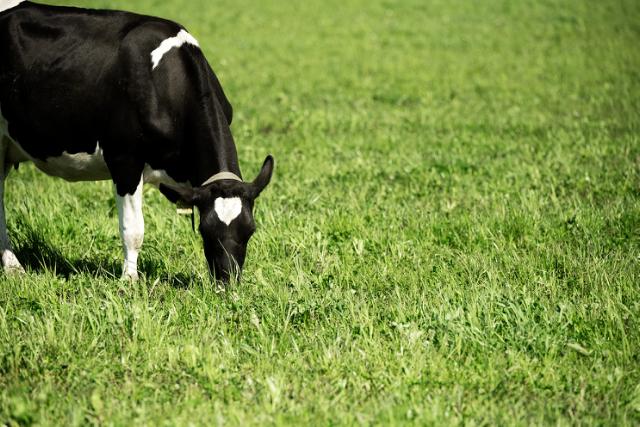

Supply pressure reaches the turf segment
A vigorous turf market reflects extensive drought damage across Europe.
Stocks of perennial ryegrass and red fescue are tightening rapidly, while supplies of Kentucky blue grass are also constrained.
Demand for 4turf® continues to grow on the strength of its drought tolerance, stress resilience, and fast establishment.
Turf market outlook
- Perennial ryegrass: tight supply
- Red fescue: tight supply
- Kentucky blue grass: supply becoming tighter
- Tall fescue: balanced supply
Mixed harvest results
The 2026 grass-seed harvest should, in total, be close to normal yield per hectare but still on significant lower hectares of grass seed compared to 3 years ago. But this headline figure masks significant differences across species, regions, and growing conditions.
A late spring delayed plant growth across Northern Europe, but an exceptionally dry growing season soon changed the outlook. In areas of Denmark, less than 40 mm of rain fell between April and July. Record temperatures (up to 37°C) during the final week of June increased the stress on crops affected by drought. The dry weather was both helpful and unhelpful. It enabled an early, efficient, high-quality harvest, but reduced yields in several strategically important species.
The European heatwave affected other seed-growing areas. Temperatures in the Netherlands exceeded 40°C, causing significant regional variations in yields across the country. Yields were relatively better on the lighter soils in the north but reduced in the south where the drought and heat were tough on the major crop-growing region near the Belgian border.
Ryegrass performs as normal
Overall results for perennial ryegrass, the largest grass-seed crop, were okay in Denmark. Average Danish yields should finish around slightly above average, particularly in western Denmark where irrigation, more favourable rainfall, and good harvest conditions supported production.
There were, however, significant regional variations. Some drought-affected areas in eastern Denmark reported considerably lower yields, highlighting the uneven nature of this year's harvest.
In the Netherlands, the perennial ryegrass harvest was very disappointing with a 12% drop in yield.
In the USA, we expect a perennial ryegrass yield of 90% to 95%, based on results from Oregon.
Red fescue and Kentucky blue grass under pressure
Red fescue, despite its reputation for drought tolerance, was significantly impacted by the drought and heat during flowering and seed development. Rapid crop maturation, reduced seed filling, and reduced seed weight, reduced yields in Denmark and Canada by roughly 15%.
Kentucky blue grass also took a hit during Denmark’s dry spring, hot June, and shortened growing season. Overall production should finish below average, adding further pressure to an already tightening market.
In the USA, Kentucky blue grass yields should be close to normal, but index 90 is expected in Idaho.
White clover disappoints
The biggest loser in the 2026 harvest is white clover. Limited flowering, poor seed set, and severe heat stress during the final flowering period cut yields considerably. During early July, fields in some areas changed from flowering white to drought-stressed brown within a matter of days.
Current estimates put the white clover harvest at roughly 65% of normal. This adds pressure to global supplies already reduced by a disappointing New Zealand crop.
What it means for the market
The harvest is unlikely to rebuild inventories in species already beset by shortages. That’s why the big issue for 2027 will be availability, particularly for:
- Perennial ryegrass
- Red fescue
- White and red clover
- Kentucky blue grass
The market starts the new season with limited buffer stocks and continued exposure to strong demand.

Upward momentum continues
Prices have already risen in both forage and turf segments. The combination of strong demand, limited availability, rising production costs, and broader market uncertainty continues to put pressure on prices.
Market indicators suggest that supply constraints will persist into 2027, limiting opportunities for significant stock rebuilding. Further price increases are likely as availability continues to tighten.
Practical solutions for a changing agriculture
Agriculture is adapting to a new reality shaped by climate variability, sustainability requirements, and changing market conditions.
Our view is that productivity, profitability, and sustainability must go hand-in-hand. Through continued investment in breeding, research, agronomic expertise, and innovative crop solutions, we help farms and farmers become more resilient, able to meet their economic and environmental objectives.
Our aims are straightforward: deliver practical solutions that perform in the real world and create measurable value for farmers.
Act early, secure your options
In this rapidly evolving market, availability changes fast. To stay ahead of the game, we encourage you to engage early with your DLF contact to talk about your needs and stock availability, and to plan your supply for the coming season.
The earlier you start that conversation, the more options you have.
Meet us at Euroseeds in Valencia
To talk about market developments, supply planning, and opportunities for the 2027 season and beyond, catch us at the Euroseeds Congress in Valencia. We look forward to meeting you and helping you realise your plans for the coming year.